







motor bearing price
Inside the taper world: field notes from a bearings geek Walk into any gearbox shop and you’ll see why the tapered roller bearing keeps winning: compact, load-hungry, and surprisingly forgiving when life gets dusty. To be honest, I’ve watched mechanics swear by it in truck hubs one day and press-fit matched sets into reducers the next. Same DNA, wildly different jobs. What’s trending this year Two things: torque density and traceability. EV drivetrains and compact industrial gearboxes push higher loads into smaller envelopes. Meanwhile, buyers are asking for heat-treatment certificates and steel batch IDs—right down to melt numbers. Honestly, that’s a good thing. It’s how you keep failures from turning into mysteries. Quick spec snapshot (real-world use may vary) Parameter Typical range ≈ Notes Bore (d) 15–300 mm Larger sizes on request Contact angle 10–30° Higher angle = more thrust capacity Precision P0 / P6 / P5 Per ISO 492 Steel GCr15 / 100Cr6 ASTM A485-class bearing steel Hardness 60–64 HRC Through-hardened or case options Operating temp -30 to 150 °C With standard grease; seals can extend Taper ratio 1:12 / 1:16 Common cup/cone geometry From steel bar to box: how it’s made Materials: vacuum-degassed GCr15/100Cr6. Process: forging → turning → heat treatment (martensitic, 60–64 HRC) → grinding → superfinishing → assembly and preset preload. Testing: dimensional per ISO 492 (P6/P5), hardness per ASTM E18, surface waviness per ISO 4287, vibration per ISO 15242, and life per ISO 281. Service life? In clean, well-lubricated duty, L10 often lands around 30,000–80,000 h; dirty mines cut that—no surprise. Where it shines tapered roller bearing sets excel in truck wheel ends, industrial gearboxes, steel mills, crushers, ag implements, and wind gear stages. Advantages: handles combined radial/axial loads, stiff under preload, and—actually underrated—low rolling friction helps energy consumption a bit. Vendor snapshot (my shorthand) Vendor Steel/Certs Lead time ≈ Customization YDMotion (Origin: 16-1-1601 Aobeigongyuan, Chang ’an District, Shijiazhuang, Hebei, China) 100Cr6; ISO 9001, IATF 16949 20–45 days Angles, coatings, matched sets Global Brand A 100Cr6; global labs Stock–30 days Broad catalog, premium price Regional Supplier B GCr15; ISO 9001 30–60 days Basic sizes; limited specials Customization that actually helps Common asks: special contact angles for thrust-heavy reducers, phosphate or black-oxide for fretting resistance, polyamide cages for low noise, paired cups/cones with factory preload, and grease-filled/sealed units for wheel ends. Many customers say the biggest win is matched sets—less fiddling during assembly. Case notes Quarry conveyor pulley: swapping to a higher angle tapered roller bearing with tighter P6 tolerances cut vibration by ≈22% and extended MTBF from 9 to 14 months (grease upgrade played a part). In a light-truck hub, a sealed preset unit shaved assembly time by about 6 minutes per vehicle—tiny per unit, big in aggregate. Quality, tests, and a pinch of data Certifications: ISO 9001 and IATF 16949, plus RoHS/REACH material compliance on request. Typical test snapshots: raceway waviness Wt ≤ 2.0 µm (P6), radial runout ≤ 7 µm at 80 mm bore, vibration Vb ≤ 0.4 mm/s, hardness 62 HRC ±1. Life rating uses ISO 281; static load C0 and dynamic C per ABMA/ISO methods. Why users stick with it It seems that shops trust the predictable behavior of a preloaded tapered roller bearing . You get stiffness for gear mesh accuracy and thrust muscle for helical loads. And when alignment isn’t perfect (let’s be real), the geometry copes better than many alternatives. Origin and traceability: 16-1-1601 Aobeigongyuan, Chang ’an District, Shijiazhuang City, Hebei Province, China. Batch-level steel certs and heat-treatment charts available; ask for PPAP for automotive projects. If you’re speccing a new reducer or refreshing a wheel end, start with load cases and lubrication. Then pick geometry: cup/cone series, angle, and preload. Finally, validate against ISO 492 and check grease life versus target maintenance intervals. References ISO 281: Rolling bearings — Dynamic load ratings and rating life. ISO 492: Rolling bearings — Radial bearings — Tolerances. ABMA Standard 19.2: Tapered Roller Bearings — Metric Design. ASTM A485: Standard Specification for High-Hardness Bearing Steel.
Our Bearings And Technology
One-stop linear motion supplier, product solution provider
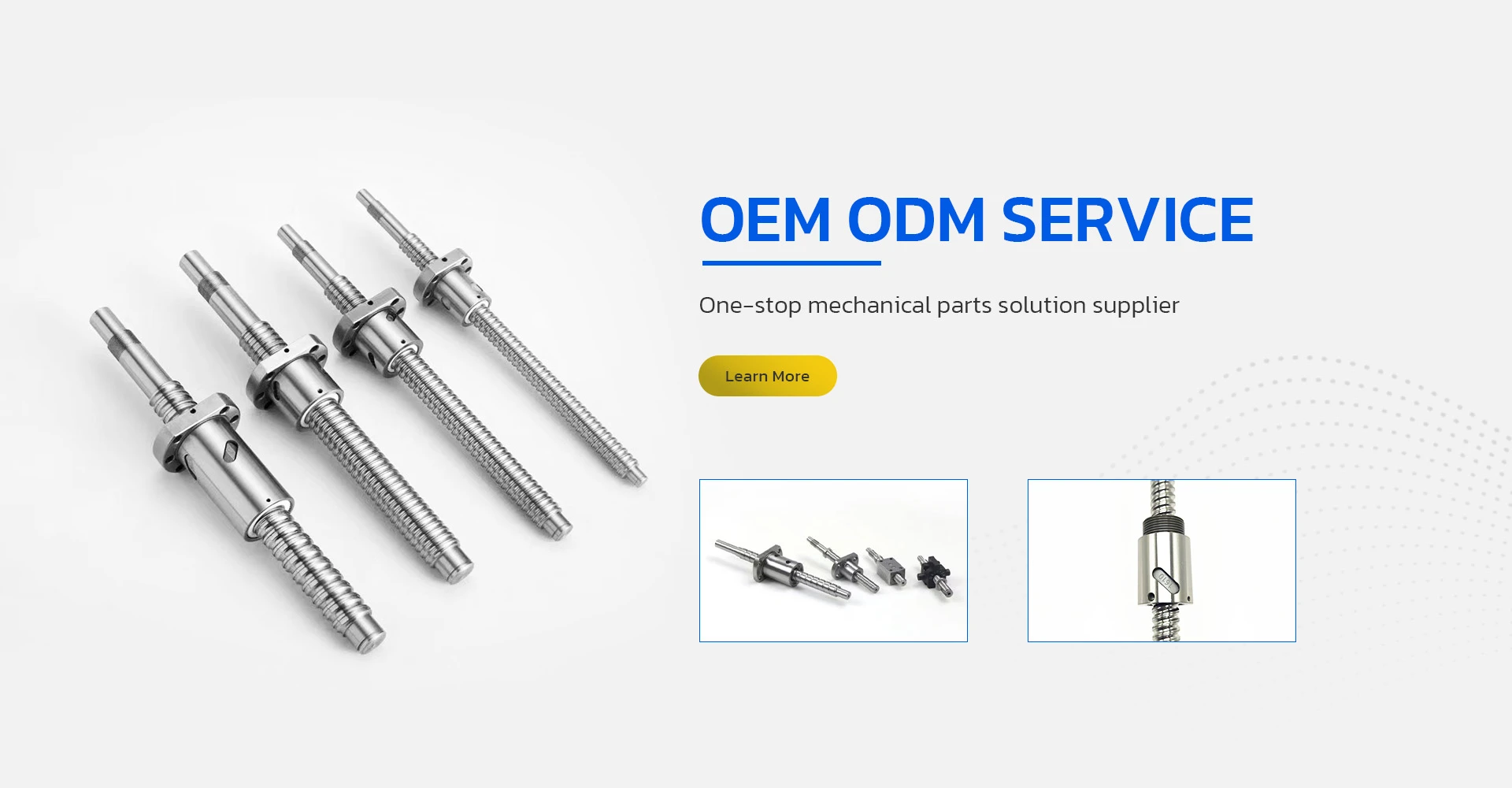
ball screw linear
The Precision Engineering of Ball Screws in Modern Industry In the realm of advanced manufacturing and industrial automation, the ball screw stands as a cornerstone component, indispensable for achieving high precision, efficiency, and reliability in linear motion systems. These mechanical marvels translate rotational motion into linear motion with exceptional accuracy and minimal friction, making
15267 bearing
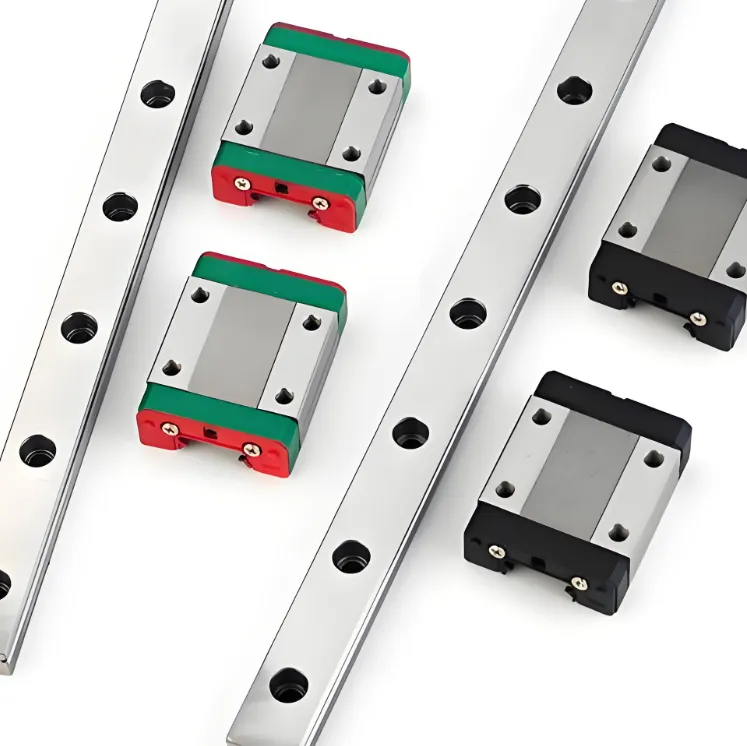
In the world of machinery and mechanical systems, bearings are the unsung heroes that enable smooth motion, reduce friction, and support loads across countless applications. From industrial equipment to precision instruments, the right bearing can mean the difference between efficient operation and costly breakdowns. Among the diverse range of options, bearing types vary significantly in design an

ball screw 1000mm
The Precision Engineering of Ball Screws in Modern Industry In the realm of advanced manufacturing and industrial automation, the ball screw stands as a cornerstone component, indispensable for achieving high precision, efficiency, and reliability in linear motion systems. These mechanical marvels translate rotational motion into linear motion with exceptional accuracy and minimal friction, making
rack and roller pinion
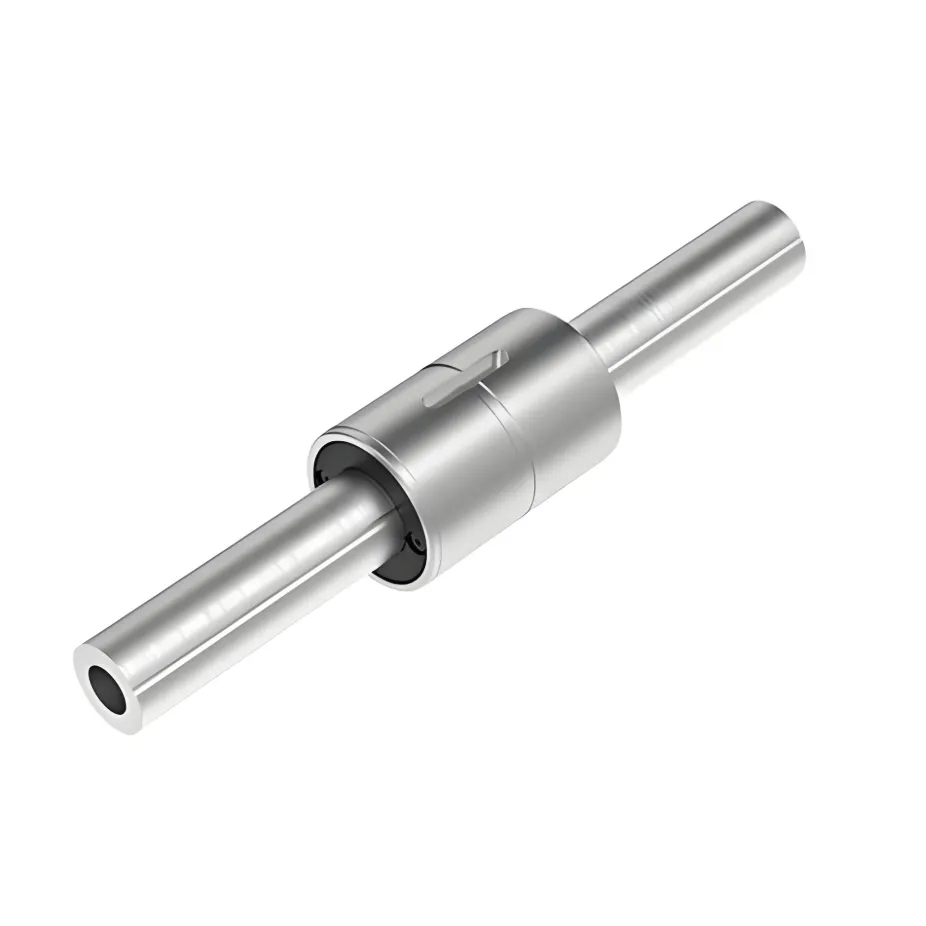
gear and rack,rack and pinion,rack and pinion gear,gear rack suppliers,buy rack and pinion is a key solution in the manufacturing industry, specifically within General equipment manufacturing industry and Manufacturing of gears and gear transmission devices. This article explores how HEBEI YIDI IMPORT AND EXPORT TRADING CO.,LTD. supports professionals with durable, high-performance products, and e

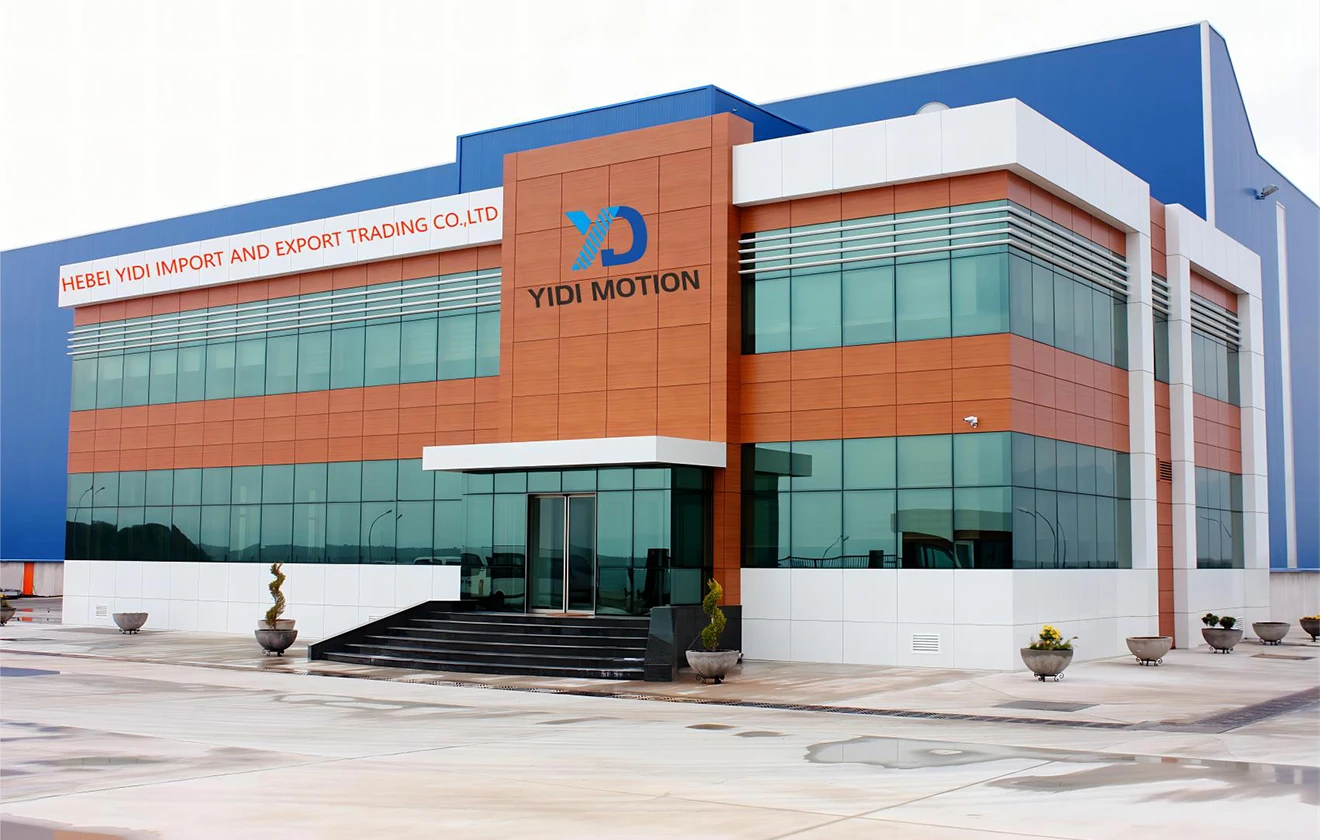
YIDI MOTION offer v good service. Delivery: Very fast Quality: High performance Service: Help me much with my products The ball screw is well, I use it on my machine, worke properly.

When picking a supplier we balance price, quality, professionalism, and lead time. Although your quote is not the cheapest, we value your professionalism and expertise in making ball screws.so we choose YIDI as our final supplier

I have visited Yidi Company last year, they can provide a lot of laser equipment accessories, professional is very good, and to our new products to provide very good solutions

We repair a lot of screw, the number is small, Yidi can order a piece, and according to our drawings machining shaft end, perfect for our equipment, this service is great

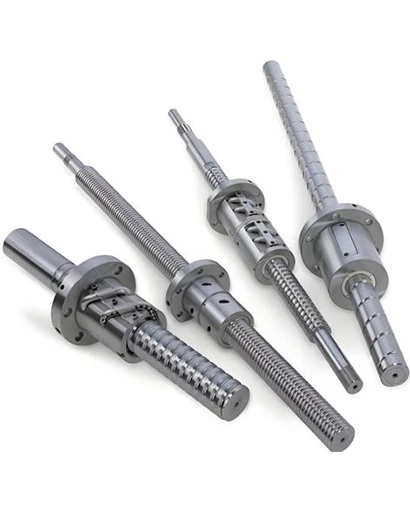
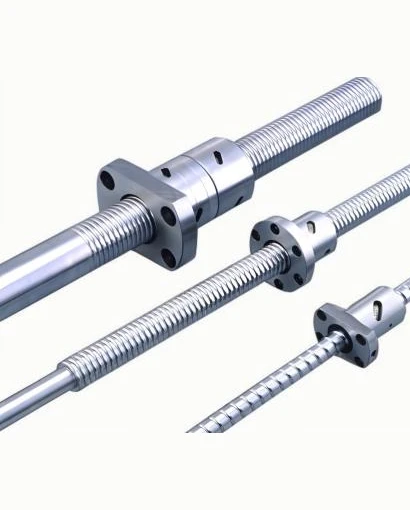
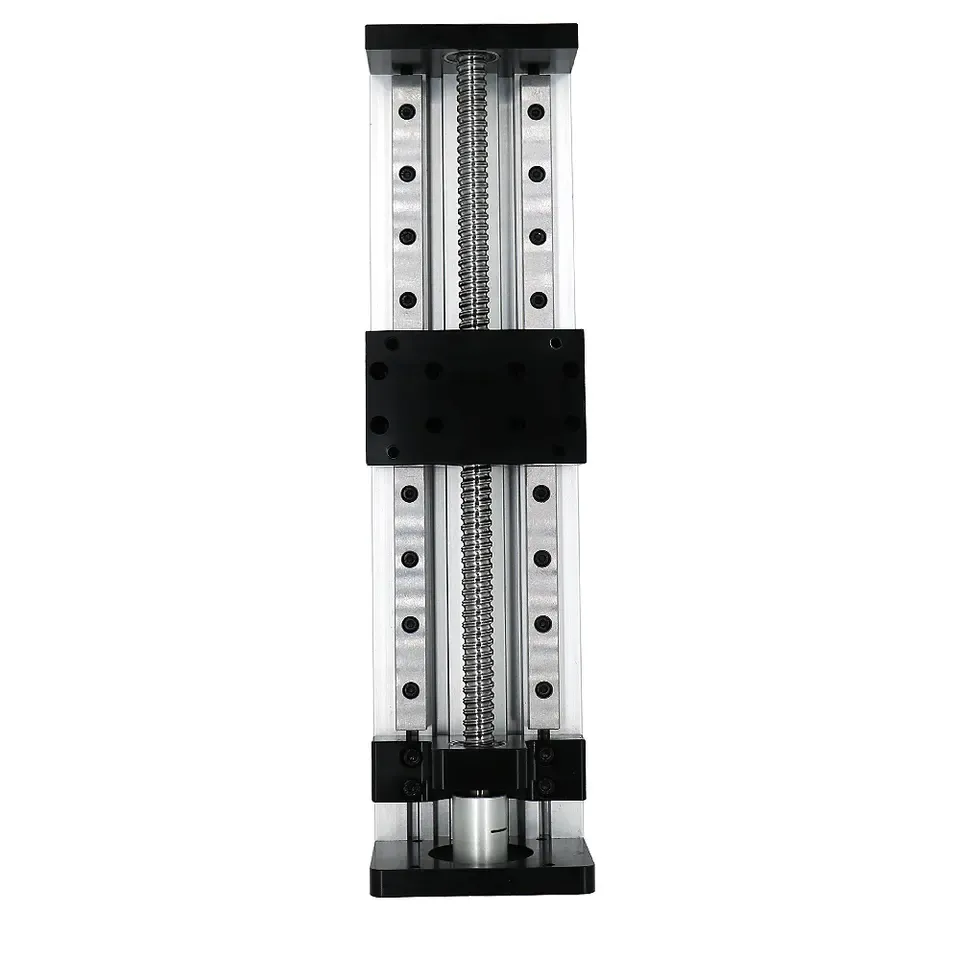
Compared With Traditional Sliding Screws, Ball Screws Transmit Power Through Rolling Friction, With A Mechanical Efficiency Of More Than 90%, Which Significantly Saves Energy. With Extremely Small Backlash And Predictable Linear Motion Accuracy, They Are Suitable For High-Precision Cnc Equipment, Automated Machinery And Other Scenarios.
Quickly find the problems you encounter most often
Follow Our Blog
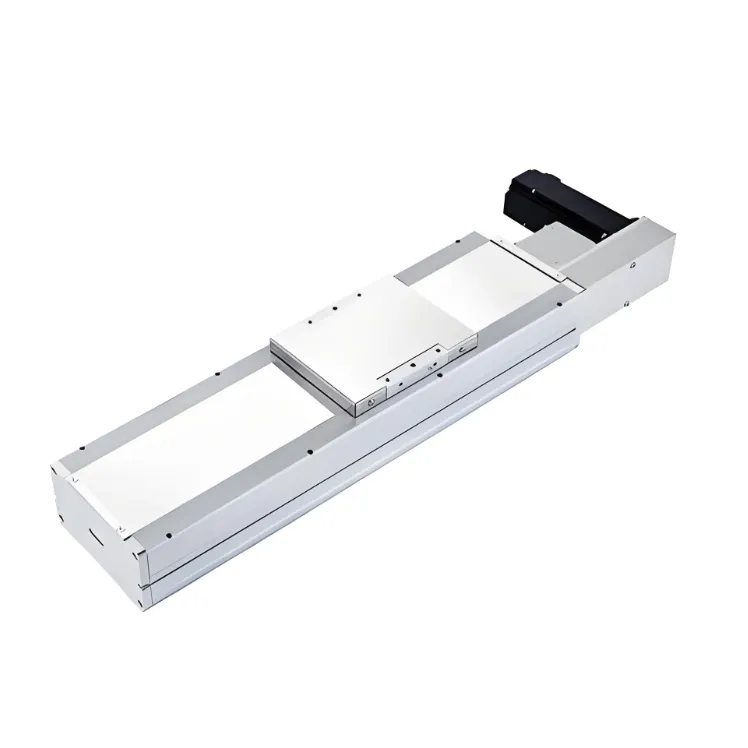
Gear And Rack is a key solution in the manufacturing industry, specifically within General eq
2026-04-02 05:34
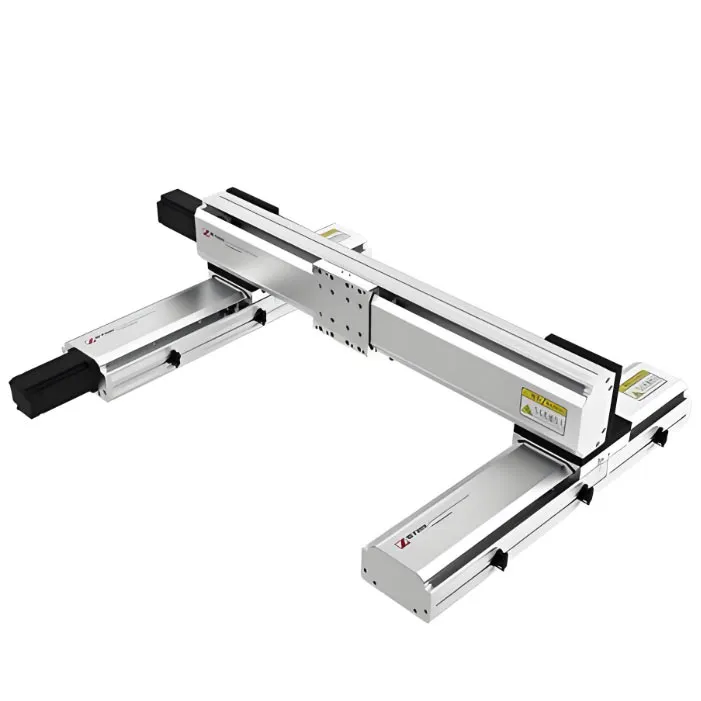
Gear And Rack is a key solution in the manufacturing industry, specifically within General eq
2026-04-02 05:12
Gear And Rack is a key solution in the manufacturing industry, specifically within General eq
2026-04-02 03:59


